
Types of Rooms in 5-Star Hotels

Updated: 1 day ago

Traveling is a great way to explore new places, enjoy different experiences, and take a break from everyday life. However, planning a trip involves several decisions, including choosing the right hotel and room.
Picking a room can be confusing, especially when 5-star hotels offer many options. Guests may need to choose between Single Rooms, Deluxe Rooms, Studio Rooms, and luxury suites. Each room offers different features, sleeping arrangements, and levels of comfort.
Many hotels now use guest communication tools to help travelers compare rooms. It still helps to know the basics yourself, and this guide covers them in plain language.
Below, we explain the different types of rooms in 5-star hotels, what they offer, and which guests they are best suited for.
Types of Hotel Rooms in 5-Star Hotel
A 5-star hotel usually offers several room categories to meet the needs of different guests. These rooms vary in size, bed arrangements, layout, and available amenities.
Types of rooms in 5-star hotel offers often depend on its location and the guests it serves. For example, business hotels may focus on single rooms and executive accommodation, while resorts may offer larger rooms and family suites.
Below is a list of common room types found in luxury hotels:
Single Rooms
Double Rooms
Twin Rooms
Queen Rooms
King Rooms
Triple Rooms
Studio Rooms
Deluxe Rooms
Family Rooms
Accessible Rooms
Junior Suites
Suites
Presidential Suites
1. Single Rooms

A Single Room is designed for one guest and usually includes one single bed. It comes with basic hotel facilities such as a private bathroom, wardrobe, television, and work desk.
These rooms are commonly used by solo travelers and business guests who need a comfortable place to stay without extra space.
2. Double Rooms

A Double Room usually has one double bed designed for two guests. It provides the basic facilities needed for a comfortable stay, including a private bathroom, wardrobe, and seating area.
Some hotels also use the term Double Room for rooms with two double beds. These rooms can accommodate small families or groups, depending on the hotel's occupancy rules.
3. Twin Rooms

A Twin Room has two separate single beds in one room. It allows two guests to share accommodation while having their own sleeping space.
These rooms are commonly booked by friends, colleagues, and business travelers. They usually include the same basic facilities as other standard hotel rooms.
4. Queen Rooms

A Queen Room includes one queen-size bed that can comfortably accommodate two adults. Some hotels also offer two queen beds in the same room.
These rooms may include a work desk, television, wardrobe, and seating area. They are a popular choice for couples and small families.
5. King Rooms

A King Room features one king-size bed and offers more sleeping space than a standard queen bed. It is a common room choice in luxury hotels.
These rooms may also include comfortable seating, premium bedding, and larger bathrooms. Some hotels offer King Rooms with different views or upgraded amenities.
6. Triple Rooms

A Triple Room is designed to accommodate three guests. It usually has three single beds or one double bed and one single bed.
These rooms provide a practical option for small groups and families traveling together. Depending on the hotel, they may also include extra storage and a larger seating area.
7. Studio Rooms

A Studio Room combines the sleeping and living areas in one open space. It usually includes a bed, sofa or seating area, and private bathroom.
Some studio rooms also have a small kitchenette with a refrigerator and cooking facilities. They are a useful option for guests planning longer stays.
8. Deluxe Rooms
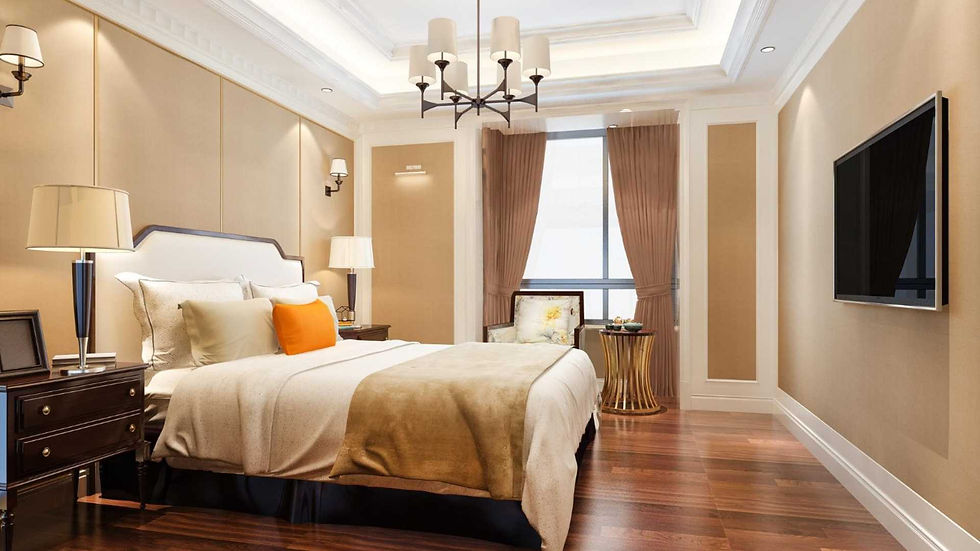
A Deluxe Room is one of the most popular choices in 5-star hotels. It usually offers more space, better furniture, and upgraded amenities than an entry-level room.
Guests may find a king-size bed, seating area, work desk, minibar, and a larger bathroom. Some Deluxe Rooms also offer better views or additional facilities.
9. Family Rooms

A Family Room is designed for parents traveling with children. It usually provides more sleeping space than a standard hotel room.
These rooms may include two queen beds, extra beds, or a sofa bed. Some luxury hotels also offer connecting rooms, allowing family members to stay close while enjoying separate sleeping areas.
10. Accessible Rooms

An Accessible Room is designed for guests with disabilities or mobility needs. It provides features that make moving around the room and using its facilities easier.
These rooms may include wider doorways, wheelchair-friendly bathrooms, grab bars, and roll-in showers. Some hotels also provide visual alarms and other features for guests with hearing disabilities.
11. Junior Suites

A Junior Suite offers more space than a standard hotel room. It usually has a sleeping area with an additional sitting space, often separated by a partial wall or a change in room layout.
These suites may include larger sofas, upgraded bathrooms, and additional amenities. They are a good choice for guests who want more space without booking a full suite.
12. Suites

A Suite usually includes multiple connected areas, such as a separate bedroom and living room. Some larger suites also have dining areas, kitchenettes, and additional bathrooms.
Suites come in different sizes and layouts depending on the hotel. They are suitable for guests who want more privacy, extra space, or accommodation for longer stays.
13. Presidential Suites

A Presidential Suite is one of the largest and most luxurious accommodation options in a 5-star hotel. It usually offers multiple rooms, premium furniture, and upgraded guest services.
Depending on the property, it may include a separate dining room, private kitchen, large bathroom, and dedicated butler or concierge service. These suites are often booked by VIP guests, business leaders, and travelers celebrating special occasions.
How Can Hotels Answer Room Questions Faster?
Guests ask the same questions before booking. Does this room have a bathtub? Can I get connecting rooms? What does club level include? They often ask outside front desk hours.
An AI chatbot for hotels can help. Myma AI chatbot answers questions about rooms, rates, amenities and policies around the clock, in more than 50 languages. Guests compare room types without waiting, and staff field fewer repeat questions.
Answers are only as good as the data behind them, so hotels should load accurate room descriptions. To see how Myma AI handles data, visit the Trust Center.
Resorts are a strong test of this. This direct booking case study shows how a resort used the chatbot. Comparing options? See the best AI chatbots for hotels in the USA.
Want to improve guest communication at your hotel? Explore Myma.ai and see how AI can support your hotel operations.
Frequently Asked Questions
What are the main types of rooms in 5-star hotels?
Five-star hotels typically offer entry-level rooms (Superior, Deluxe, Premier), bed-type rooms (king, queen, twin), club-level rooms with lounge access, accessible rooms, and suites such as junior, executive and presidential suites. Resorts may add villas and bungalows. Names vary by hotel.
What is the difference between a Deluxe and a Premier room?
Usually, a Premier room is a step above Deluxe, with more space, a higher floor or a better view. But there is no industry rule. At some hotels, Deluxe is the entry level. At others, it is a middle tier. Compare square footage and view.
What is a club-level room in a luxury hotel?
A club-level room gives access to a private lounge, typically with a dedicated concierge and food and drink service during the day. Benefits, hours and guest limits differ by hotel, so ask what is included before booking.
What is the difference between a junior suite and a regular suite?
A junior suite usually has one large room with a sitting area. A regular suite has a separate living room, often with a door between it and the bedroom. Junior suites cost less and have less privacy.
What is a presidential suite?
It is typically the largest suite in the hotel, with multiple rooms, a dining area, and extra services such as butler or concierge support. Not every hotel has one, and size varies from hotel to hotel.
Is a honeymoon suite a different type of room?
Usually not. It is often a regular suite or villa sold with a romance package. Ask what is in the room (such as a soaking tub or terrace) and what is part of the package (such as flowers or sparkling wine).
Are the room types the same at every 5-star hotel?
No. Hotels set their own names and specifications, even within the same brand. Always read the room description, including size, bed type, view and occupancy, instead of relying on the name alone.
How many people can stay in a 5-star hotel room?
Most standard rooms sleep two adults. Rooms with two queen beds often sleep up to four, and suites or villas can sleep more. Each hotel sets its own maximum occupancy and extra-person fees, so confirm before booking.
Do 5-star hotels have accessible rooms?
Yes. In the U.S., hotels must follow ADA requirements for accessible rooms, which are limited in number and must be spread across room types. Request the features you need (such as a roll-in shower) when booking, and confirm them in writing.
How do I get a room upgrade at a luxury hotel?
Options include booking a higher category, joining the hotel's loyalty program, requesting an upgrade at booking, or accepting a paid upgrade offered before arrival. Upgrades depend on availability and are never guaranteed.
Conclusion
There are several types of rooms in 5-star hotels, each designed to meet different guest needs. From Single and Twin Rooms to Deluxe Rooms and Presidential Suites, every category offers a different layout and level of comfort.
To help guests choose the right room, hotels should provide clear information about bed arrangements, room sizes, occupancy limits, and available amenities. This makes it easier for guests to compare their options and book with confidence.
Hotels can also use technology to make room information easier to access. With Myma.ai, hotels can automate common guest questions through AI-powered chat, voice, and email solutions, helping their teams provide faster and more consistent support.


Comments